

10 Common Pediatric Health Concerns
The health and well-being of our children always remain our primary concern as parents. The first cough of a child and the appearance of unexpected rashes both require parents to learn how to handle different childhood illnesses that persist throughout their entire life, often with the support of pediatric care services.
The identification of 10 common pediatric health concerns enables parents to detect potential health problems in their children and seek medical assistance at the right times.
This guide helps people understand common pediatric health concerns that children experience at school by showing them how to recognize symptoms and their underlying causes.
Respiratory Infections in Children
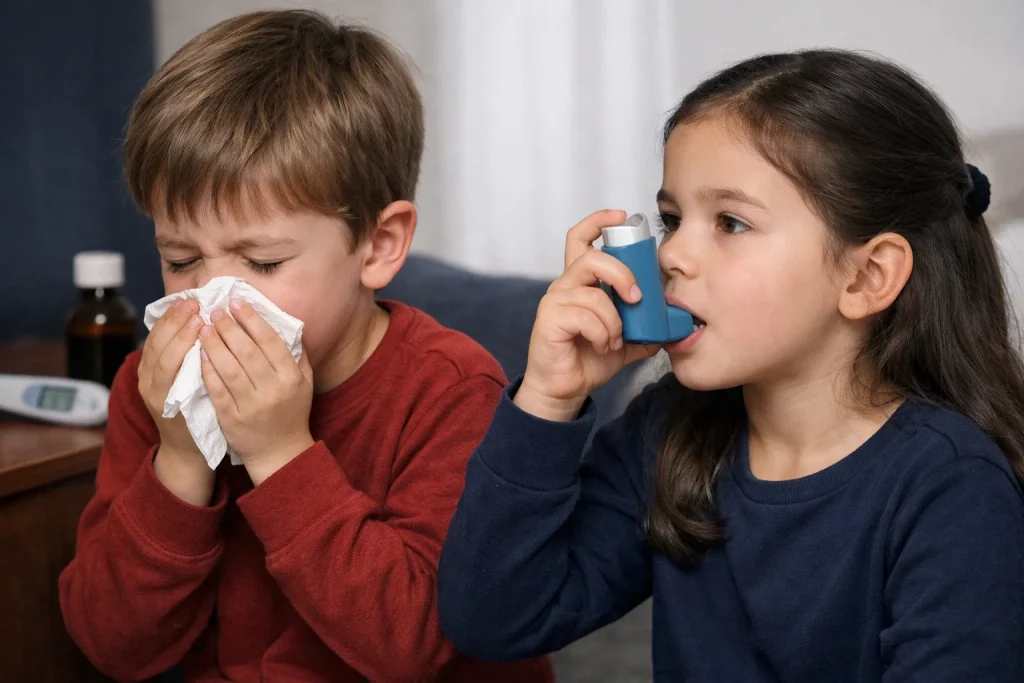
Parents bring their children to doctors because respiratory infections are one of the most common pediatric illnesses that require medical visits. These infections start as simple colds that gradually turn into serious illnesses, affecting the entire respiratory system from the nasal passages to the bronchial tubes.
Types of Respiratory Infections
Common Cold
Various viruses cause this illness, which shows symptoms like a runny nose, sneezing, and a mild cough.
Flu (Influenza)
This illness causes more severe symptoms than a cold, with patients experiencing fever and body aches, fatigue, and an intense cough.
Bronchiolitis
This condition affects infants and children who experience breathing difficulties with wheezing. It arises from RSV infection.
Pneumonia
This lung infection occurs through bacterial or viral transmission and results in symptoms that include fever, cough, and fast breathing.
Parents can distinguish between normal sniffles and medical emergencies by learning the symptoms that occur during common pediatric illnesses.
Ear Infections and Hearing Problems
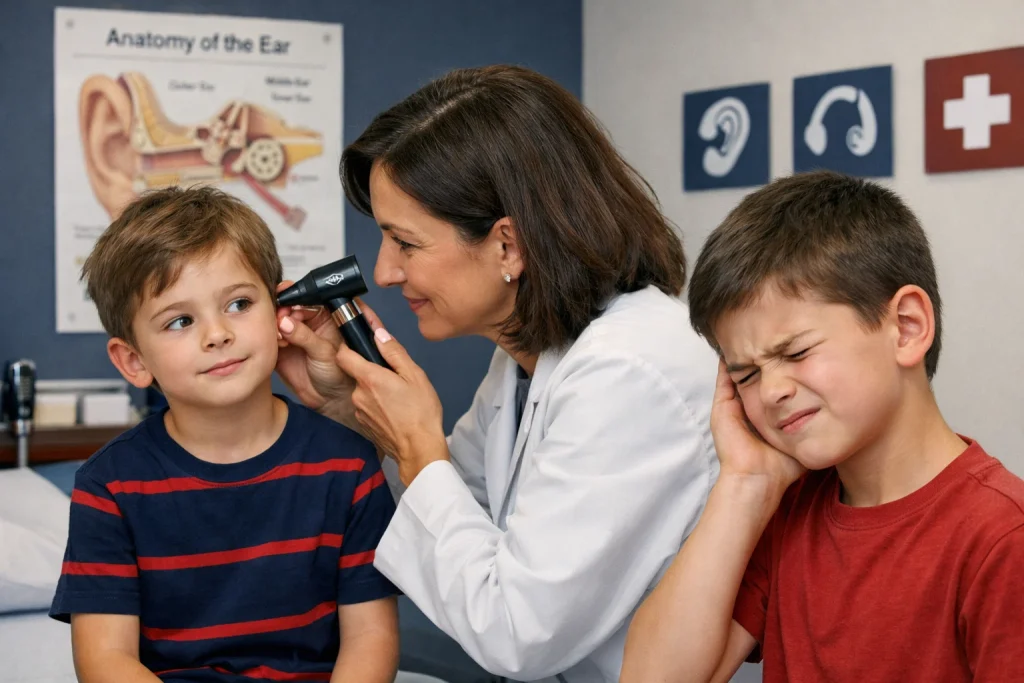
Ear infections are a frequent condition in young children, which causes them to experience pain and difficulties with sleep. The design of the Eustachian tubes in children makes them more likely to experience ear infections because their tubes connect to their nasal system.
Developing children face major challenges due to hearing problems and because of their already existing infections.
Understanding Child Ear Infections
Acute Otitis Media (AOM)
This is one of the most common types of child ear infections, which causes pain, fever, and irritability through the collection of fluid behind the eardrum.
Otitis Media with Effusion (OME)
The ear contains fluid that persists after an infection has resolved, which results in short-term hearing impairment.
Symptoms of Ear Infection
Tugging at the ear, fussiness, difficulty sleeping, fever, and sometimes fluid draining from the ear.
Recognizing Hearing Problems
Parents must monitor their child’s hearing progress because the child suffers from repeated ear infections, which result in hearing problems. These symptoms include:
- Delayed speech development.
- Unresponsiveness to name-calling.
- The need for high volume when watching TV or listening to music.
Allergies and Asthma in Kids
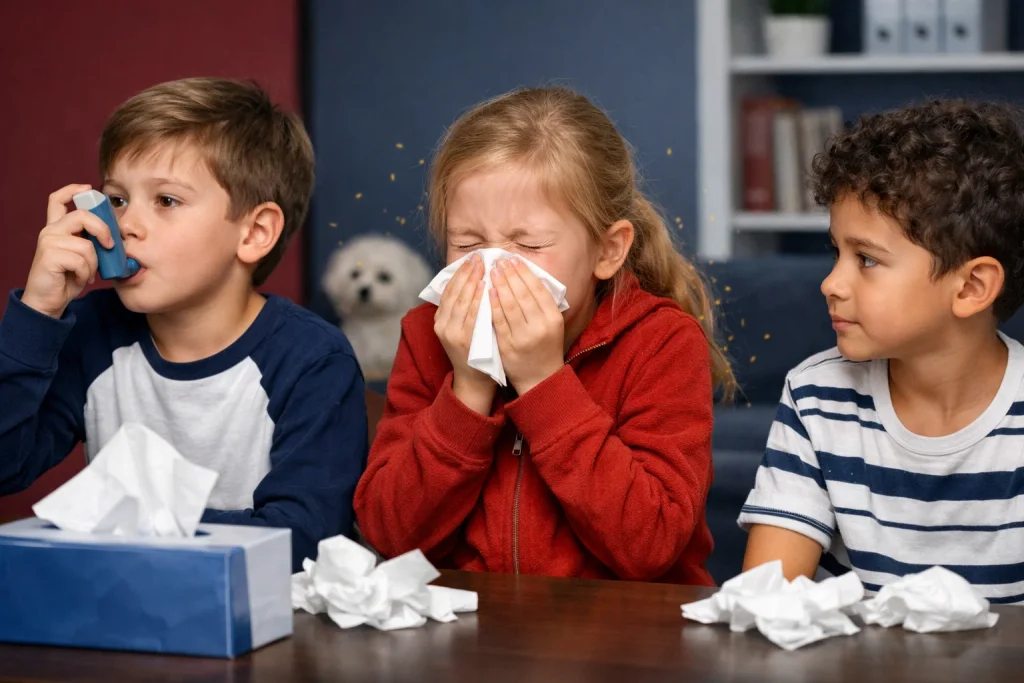
The chronic conditions of asthma and allergies create permanent health problems that affect a child’s ability to lead a normal life. The two conditions show a strong connection because allergic reactions can also cause asthma attacks.
The proper treatment of pediatric allergies help individuals to take control of their asthma attacks.
Common Pediatric Allergies
Food Allergies
The most common food allergies include milk, eggs, peanuts, tree nuts, soy, wheat, fish, and shellfish, which cause skin reactions that range from mild to life-threatening anaphylaxis.
Environmental Allergies
People experience sneezing along with nasal discharge, eye itching, and skin rashes when exposed to pollen, dust mites, pet dander, and mold.
Symptoms of Allergies
Hives and eczema, accompanied by sneezing, nasal congestion, and watery eyes, create severe breathing difficulties in people with this condition.
Managing Asthma in Children
The chronic condition asthma causes airway narrowing, together with airway swelling and excess mucus production, which results in breathing problems. Triggers often include:
- Pediatric allergies.
- Exercise.
- Cold air.
- Respiratory infections.
Regular monitoring and an action plan are essential for managing asthma effectively.
Childhood Obesity and Weight Management

The rising rates of childhood obesity have emerged as a major public health problem. Addressing childhood obesity and weight management early is crucial for preventing future health concerns.
Risks Associated with Childhood Obesity
Physical Health
Increased probability of developing type 2 diabetes together with high blood pressure, high cholesterol levels, sleep apnea, and joint disorders.
Psychological Impact
Lower self-esteem, depression, and social stigmatization.
Strategies for Weight Management
A family-centered approach to child health problems like obesity is most effective. This includes:
Healthy Eating Habits
Eating fruits, vegetables, lean proteins, and whole grains, while avoiding sugary drinks and processed foods.
Regular Physical Activity
Encouraging at least 60 minutes of moderate-to-vigorous activity daily.
Reduced Screen Time
Limiting sedentary activities and promoting active play.
Gastrointestinal Issues in Children
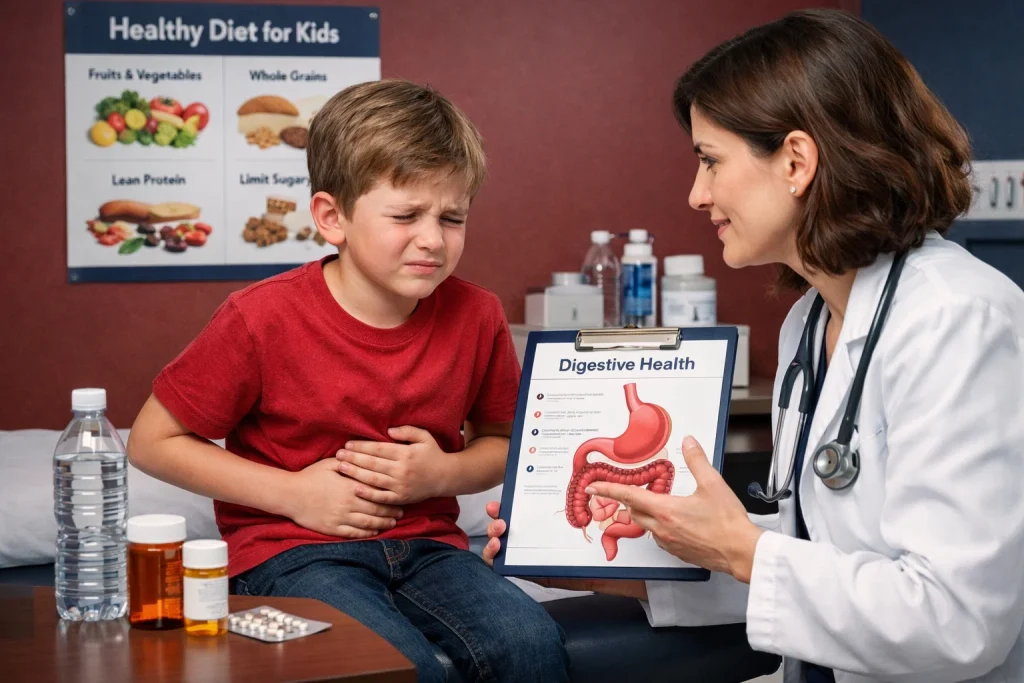
Parents deal with gastrointestinal problems, which range from their children’s periodic stomach pain to their ongoing digestive issues. The different types of medical conditions push people to identify their minor health issues that require constant medical attention.
Common Pediatric Stomach Problems
Constipation
Infrequent or difficult bowel movements, often due to diet, lack of fluids, or withholding.
Diarrhea
Loose, watery stools are frequently caused by viral infections, food sensitivities, or antibiotics.
Vomiting
Vomiting occurs as a result of infections, food poisoning, and various health conditions.
Abdominal Pain
Often generalized, but persistent or localized pain warrants a medical evaluation.
There is a serious risk of dehydration in pediatric stomach problems involving vomiting or diarrhea, so ensuring adequate fluid intake is critical.
Skin Conditions and Rashes
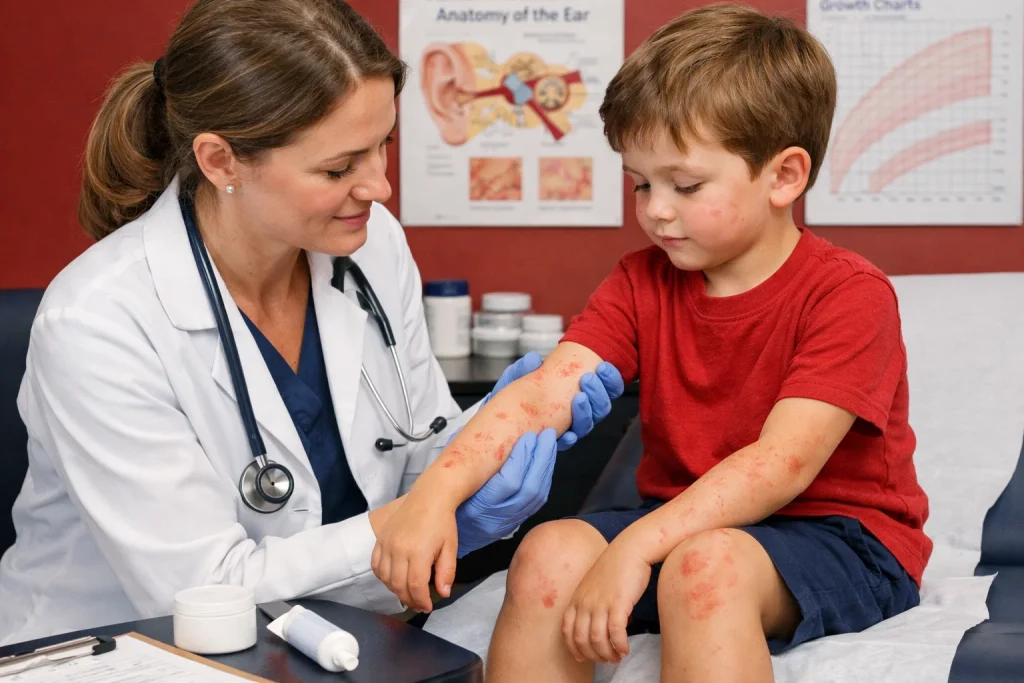
Children’s skin is delicate and prone to a variety of conditions, making skin conditions and rashes a frequent source of parental worry. The majority of conditions remain harmless, while certain cases require medical evaluation.
Common Child Skin Issues
Eczema (Atopic Dermatitis)
A chronic condition that produces dry, itchy, red patches of skin that occur during episodes, which are associated with allergens and irritants.
Diaper Rash
The diaper area becomes irritated because of extended contact with wetness, friction, and yeast infections.
Hives (Urticaria)
The condition produces red, itchy welts which appear suddenly because of an allergic reaction.
Psoriasis
The chronic autoimmune disorder leads to the development of thick, silvery scales and red patches.
Fifth Disease
The viral disease results in a distinctive “slapped cheek” rash.
The specific child skin issues require diagnosis because it determines effective treatment methods, which will reduce discomfort.
Sleep Problems in Children
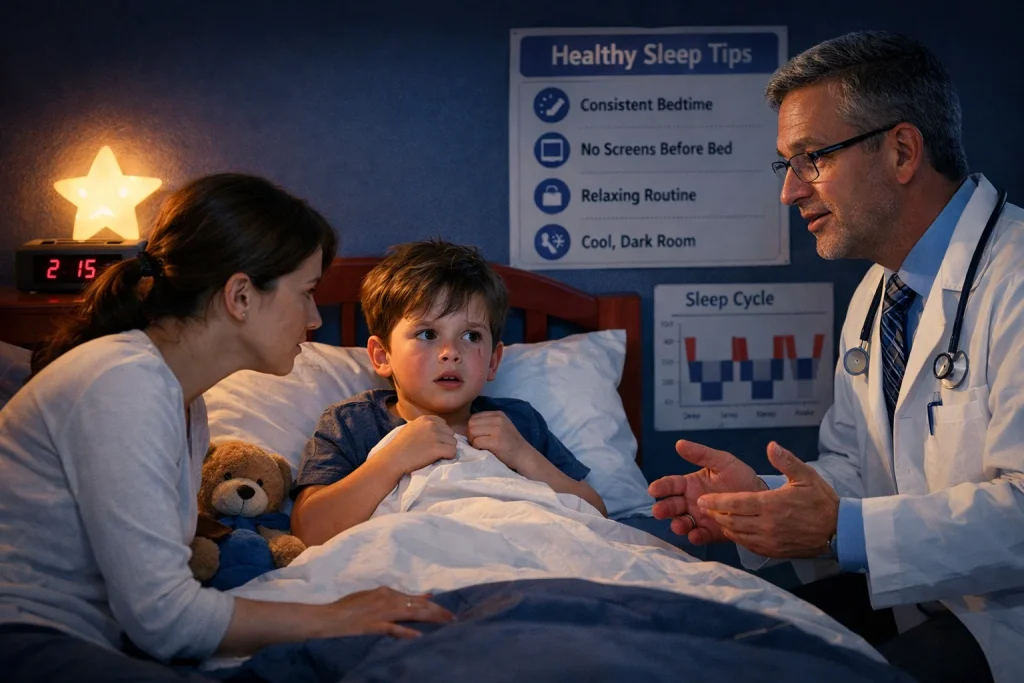
Sleep serves as an essential element that supports a child’s physical growth, mental development, and maintenance of health. When sleep problems in children arise, they can affect not only the child but the entire family.
Types of Pediatric Sleep Issues
Night Terrors
The child experiences sleep disturbances, which cause loud screaming episodes, violent body movements, and extreme fear, but they do not remember these events.
Sleepwalking
Walking or performing other complex behaviors while asleep.
Insomnia
Difficulties with both falling asleep and remaining asleep, which result from their behavioral patterns, anxiety, and medical conditions.
Sleep Apnea
The condition causes breathing interruptions during sleep because of enlarged tonsils and adenoids.
The establishment of regular bedtime practices together with a sleep-friendly atmosphere leads to major improvements in treatment results for various pediatric sleep issues.
Behavioral and Developmental Concerns
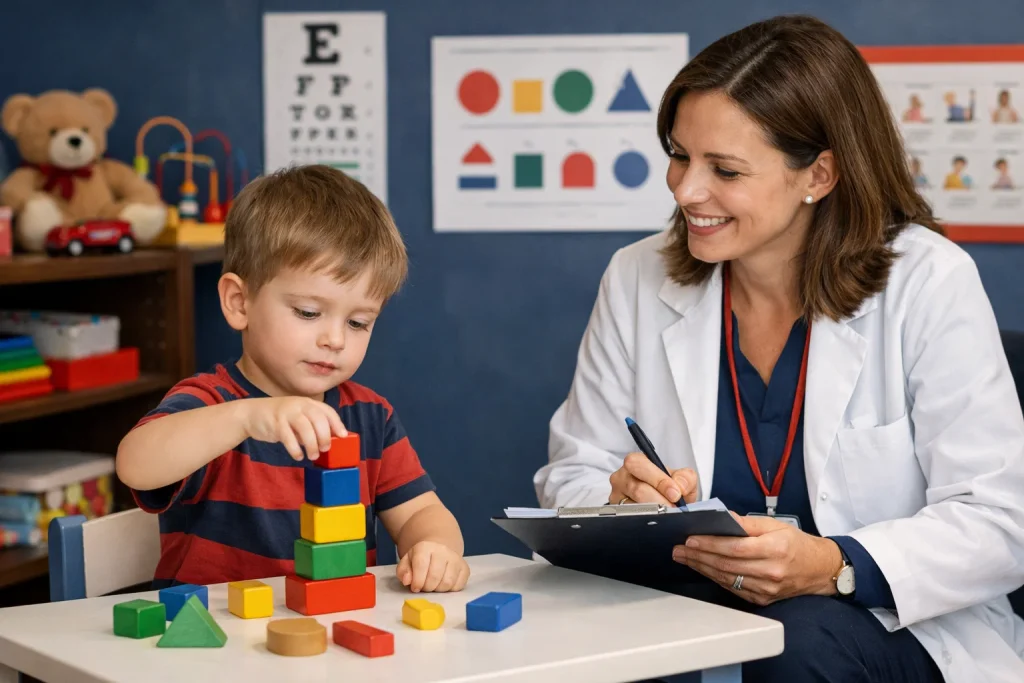
Parents often have questions about their child’s development, wondering if certain behaviors are typical or if they signal a deeper concern. Early intervention for behavioral and developmental issues helps children achieve better results.
Areas of Concern
Speech and Language Delays
This condition is often due to the failure to achieve speech milestones and the person’s inability to communicate effectively.
Autism Spectrum Disorder (ASD)
ASD causes people to experience difficulties in engaging with others and expressing themselves verbally.
Attention-Deficit/Hyperactivity Disorder (ADHD)
The condition results in people having a difficult time with maintaining focus, controlling their excessive movement, and sudden urges to act.
Anxiety and Depression
Children show different symptoms, which include irritability, abnormal changes in their sleeping and eating patterns, and refusal to attend school.
Early screening and intervention for child development issues are crucial, providing children with the support they need to thrive.
Vaccination and Preventive Health
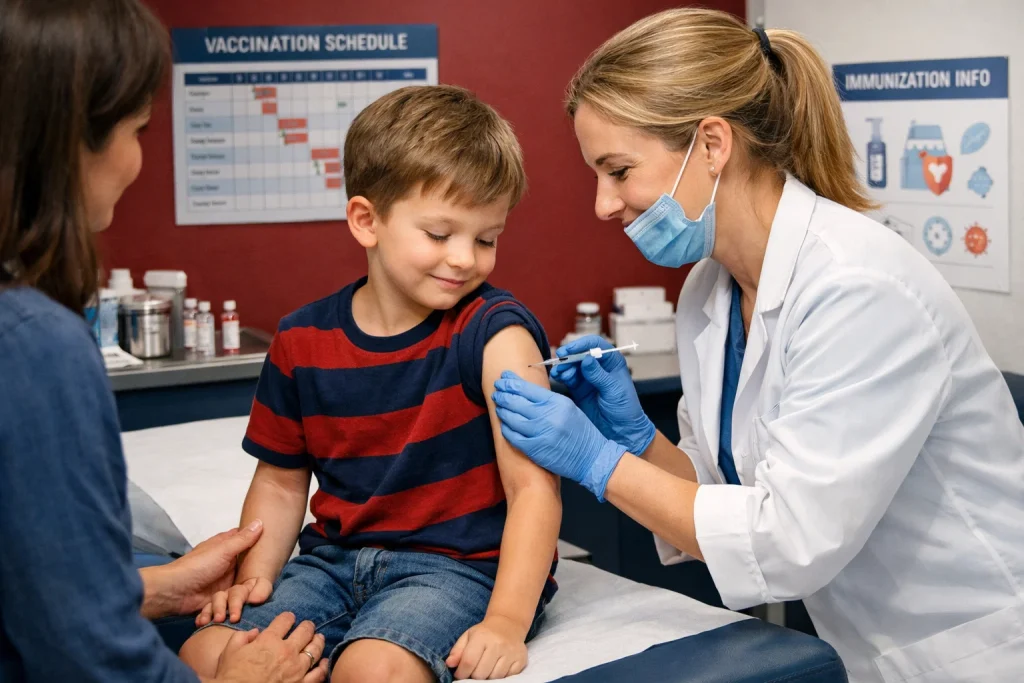
Vaccinations are one of the most effective medical methods currently available to safeguard children against severe and potentially fatal illnesses. Pediatric healthcare delivery depends on vaccination and preventive health measures, which protect both individual children and societal health.
Importance of Pediatric Vaccines
Disease Prevention
Protects against measles, mumps, rubella, polio, tetanus, diphtheria, pertussis, whooping cough, chickenpox, and other illnesses.
Community Immunity (Herd Immunity)
When a high percentage of the population is vaccinated, it protects those who cannot be vaccinated e.g infants and immunocompromised individuals.
Reduced Disease Burden
Vaccinations have brought about a major decline in both the frequency and intensity of numerous infectious diseases.
The process of maintaining current pediatric vaccines stands as an effective method that protects your child’s health while inhibiting the transmission of common pediatric medical issues.
Vision Problems in Children
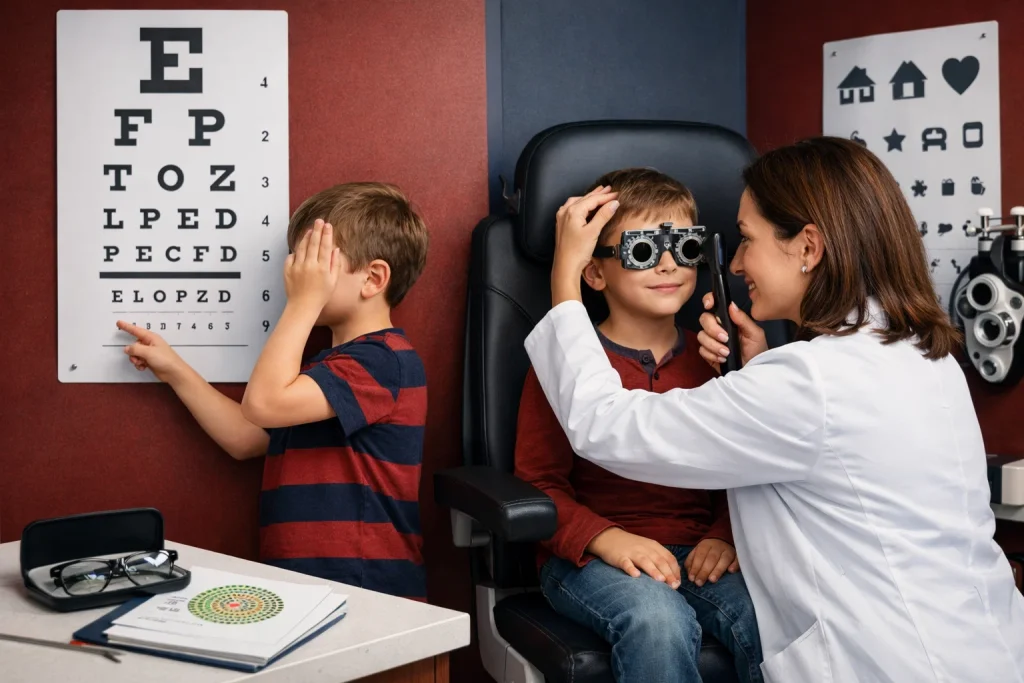
A child needs proper eyesight to succeed in their educational journey and overall growth. School performance, social skills, and personal life all get affected when children have unresolved eyesight issues. Eye screenings must be conducted on a regular basis as they are essential for eye health.
Common Child Eye Problems
Refractive Errors
Nearsightedness (myopia), farsightedness (hyperopia), and astigmatism can be corrected with glasses.
Amblyopia (Lazy Eye)
Reduced vision in one eye due to abnormal visual development early in life is often treatable if caught early.
Strabismus (Crossed Eyes)
Misalignment of the eyes can lead to amblyopia if not corrected.
Conjunctivitis (Pinkeye)
Inflammation of the conjunctiva is often caused by bacterial or viral infections or allergies.
Early detection of child eye problems through regular screenings is crucial, as children may not always recognize or express their visual difficulties.
When to See a Pediatrician
Knowing when to seek professional medical advice for common pediatric health concerns is a fundamental aspect of responsible parenting.
Signs to Consult Your Pediatrician
- High or persistent fever, especially in infants.
- Difficulty breathing, wheezing, or rapid breathing.
- Severe or persistent pain.
- Unexplained rashes, especially if accompanied by fever.
- Changes in behavior, lethargy, or extreme irritability.
- Signs of dehydration (decreased urination, dry mouth, no tears).
- Any concerns about a child’s development, growth, or behavior.
For immediate attention outside of regular office hours, families may also consider an urgent care walk-in clinic, which can provide timely evaluation and treatment for pediatric illnesses that require prompt care but are not life-threatening.
In The End
The process of handling common pediatric health concerns helps shape the future of your kids. Some health conditions require temporary treatment, which parents can manage at home but other conditions need professional medical treatment. Parents can protect their children’s health by learning about common health problems and their symptoms. Your pediatrician serves as your most important resource throughout this process. Your child will receive optimal care through scheduled check-ups and transparent communication, which guarantees lifelong health and vitality.
Why Choose Richmond Medical Clinic Texas?
Choosing Richmond Medical Clinic means prioritizing a legacy of compassionate, comprehensive care. Our expert team provides personalized plans for all ages, from preventative screenings to chronic disease management. By fostering deep patient-doctor relationships and utilizing advanced medical insights, we ensure your family receives the highest standard of healthcare.
Frequently Asked Questions (FAQs)
Q1. My child gets a lot of colds. When should I be worried and call the doctor?
While colds are common, you should call your pediatrician if your child has a high fever (especially if under 3 months), difficulty breathing, persistent ear pain, extreme lethargy, or if symptoms don’t improve after a few days.
Q2. What’s the best way to prevent my child from getting ear infections?
Reducing exposure to secondhand smoke, breastfeeding infants, ensuring updated vaccinations (especially the flu shot), and good hand hygiene can all help prevent child ear infections. Avoiding propping bottles can also reduce the risk for babies.
Q3. My child has seasonal allergies. Could they also develop asthma?
Yes, there’s a strong link between pediatric allergies and asthma. Children with allergies are at a higher risk of developing asthma, often called allergic asthma. Managing their allergies effectively can help control potential asthma symptoms.
Q4. What are the most common pediatric health concerns parents should watch for?
Common pediatric health concerns include frequent colds, ear infections, allergies, asthma, digestive issues, skin rashes, and behavioral changes. Parents should monitor symptoms closely and consult a pediatrician if issues persist or worsen over time.
Q5. When should I take my child to the doctor for common childhood illnesses?
You should take your child to the doctor if symptoms like fever, cough, vomiting, or diarrhea last more than a few days, worsen, or interfere with daily activities. Early evaluation of common childhood illnesses helps prevent complications and ensures proper treatment.